the trip
Recent cars
The smart Car Rental Service for you!
Check our top clients & partners
Akagera National Park is located in the north east of Rwanda along the border with Tanzania. Although founded in 1934, much of the park was re-allocated as farms and in 1997 the park was reduced in size from more than 2,500 sq km (nearly 10% of the surface area of Rwanda) to its current extent of 1,122 sq km. Since 2010, a joint venture with African Parks has seen Akagera return to its former glories.
It is named after the Akagera River that flows along its eastern boundary and feeds into a labyrinth of lakes of which the largest is Lake Ihema. The forest fringed lakes, papyrus swamps, savannah plains and rolling highlands combine to make Akagera amongst the most scenic of reserves anywhere in Africa. It has exceptional levels of biodiversity and forms the largest protected wetland in central Africa.
Explore
located in the far northwest of Rwanda and is famous for being home to the endangered mountain gorilla.
It protects the steep slopes of the Virunga Mountains, encompassing five of its eight volcanoes. The park is a rich mosaic of montane ecosystems, including rainforest and bamboo forest, and was also the base for primatologist Dian Fossey’s pioneering gorilla research. It is a premier destination for gorilla trekking.
Beyond gorillas, the park is also home to the golden monkey, offers opportunities for volcano hiking (like Mount Karisimbi and Mount Bisoke), and features cultural sites such as the Dian Fossey Tomb trail and the Musanze Caves.
It is part of a larger trans-frontier conservation area that connects with national parks in the Democratic Republic of Congo and Uganda. The park is known for being relatively accessible, being about a two-hour drive from Kigali, the capital.
Explore
Involve immersing oneself in the country’s rich heritage, traditions, and community life.
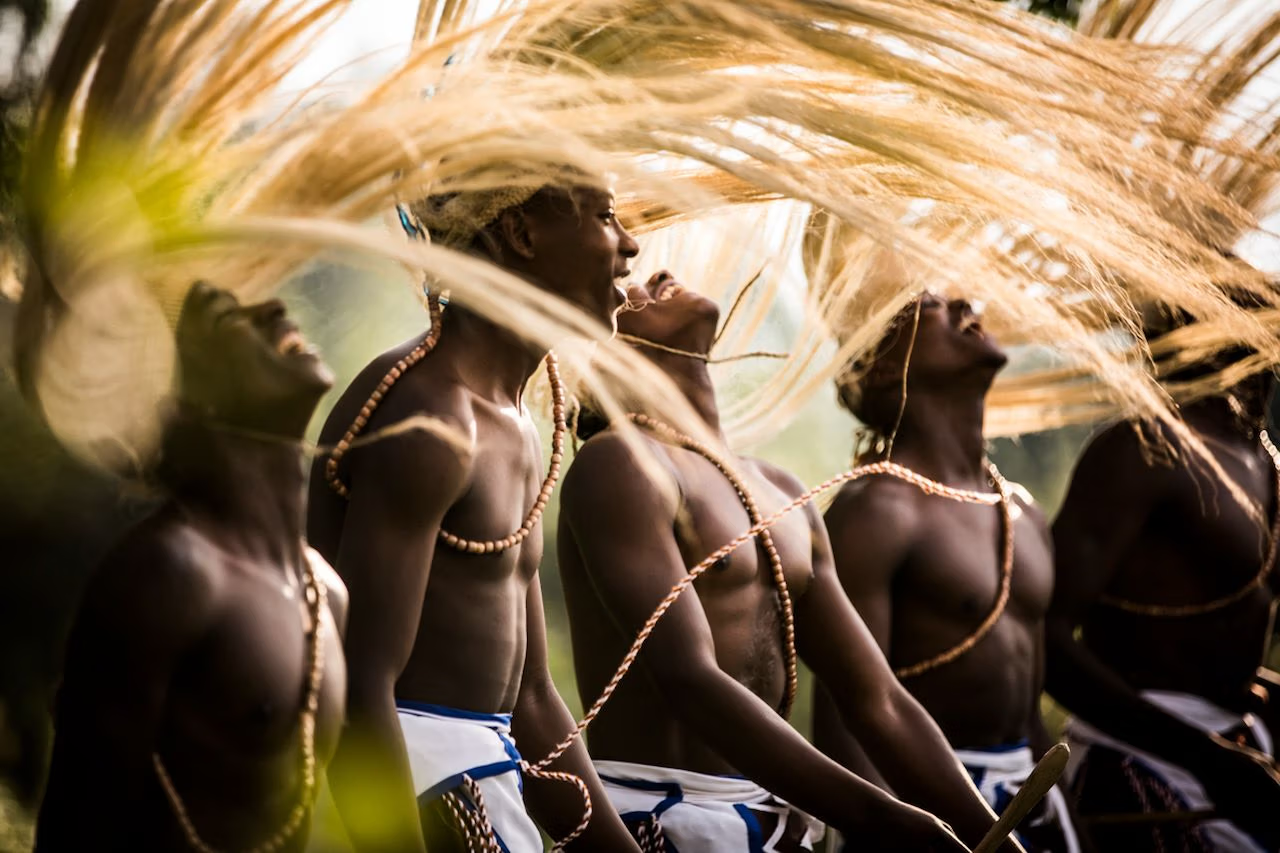
Traditional Dance and Music: Witnessing or participating in energetic performances like the Intore dance.
Community Visits/Homestays: Spending time with local families to share meals, join daily activities like farming, and listen to stories.
Craftsmanship: Learning about or trying traditional crafts like weaving Agaseke baskets or seeing Imigongo art.
Historical Sites: Visiting places like the King’s Palace in Nyanza to learn about the monarchy, or the Genocide Memorials for a solemn reflection on the nation’s past and its journey toward unity.
Local Experiences: Participating in traditions like Umuganda (community clean-up day), or experiencing coffee/tea cultivation.
Cultural Centers: Visiting places like the Gorilla Guardians Village (formerly Iby’iwacu Cultural Village) for interactive demonstrations of local life.